
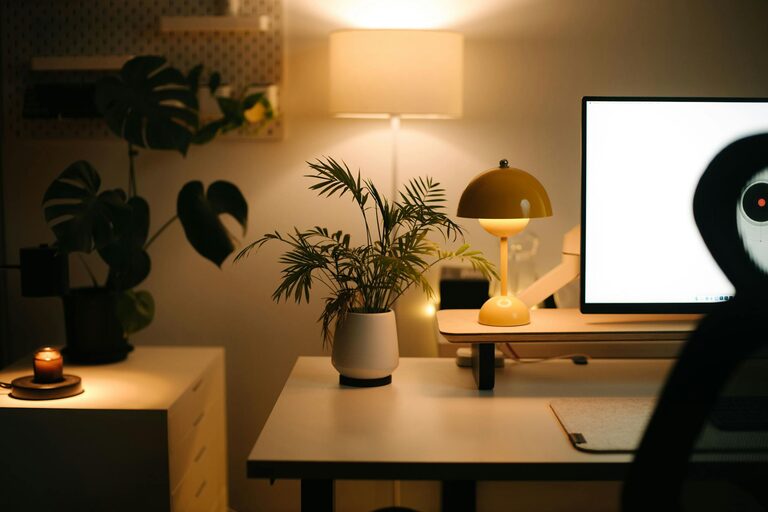
Creating a home office that feels cozy and inviting is essential for anyone who spends a significant amount of time working from home. A well-designed workspace not only enhances productivity but also promotes well-being by reducing stress and making your workday more enjoyable. In this post, we’ll explore practical tips and ideas to help you design a home office space that is both comfortable and functional.
Why a Cozy Home Office Matters
Your home office should be a place that welcomes you—a spot where you feel motivated, focused, and relaxed. Working in a space that is cold, cluttered, or uninspiring can make tasks feel harder and drain your energy. On the other hand, a cozy, inviting environment encourages creativity and helps you maintain a healthy work-life balance.
Choosing the Right Location
Find Natural Light
One of the best ways to make a home office feel inviting is by positioning it near a window. Natural light improves mood and reduces eye strain. If your space lacks natural light, consider full-spectrum bulbs that mimic daylight.
Minimize Distractions
Pick a quiet corner or room that allows you to focus without interruptions. This might mean setting up in a less-used guest room, a nook, or even a section of your living room, as long as it feels distinct from leisure areas.
Selecting Comfortable and Functional Furniture
Invest in a Good Chair
A high-quality ergonomic chair supports your posture, which is vital for your comfort during long work hours. Look for adjustable features like seat height, lumbar support, and armrests.
Choose a Desk that Fits Your Needs
Your desk should match your work style. Whether you prefer a traditional desk, a standing desk, or a desk with plenty of storage, make sure it provides enough space for your computer, supplies, and any other tools you use regularly.
Add Soft Textures
To make the space feel warm and cozy, incorporate soft elements such as a cushioned chair pad, a plush rug, or a throw blanket. These textures invite relaxation and comfort.
Organizing for Efficiency and Calm
Declutter Regularly
A tidy workspace can help clear your mind. Use storage solutions like shelves, boxes, and drawer organizers to keep papers and supplies neatly out of sight.
Use Vertical Space
If your floor area is limited, take advantage of wall space for shelves or bulletin boards. This keeps important documents and inspiration within view without overcrowding your desk.
Create Zones
If your office doubles as another room, create clearly defined zones for different activities, like a reading corner, a computer station, or a spot for brainstorming ideas.
Personalizing Your Space
Add Plants
Indoor plants contribute to a relaxing atmosphere and improve air quality. Choose low-maintenance varieties like succulents or pothos if you’re new to plant care.
Incorporate Artwork and Personal Items
Hang artwork or photographs that inspire you and make the space feel uniquely yours. Personal touches create a connection to your workspace and enhance comfort.
Select a Calming Color Palette
Colors affect mood. Soft neutrals, pastels, or earth tones commonly promote calm and focus. Consider painting the walls or adding accessories in colors that make you feel refreshed and alert.
Lighting for Ambiance and Functionality
Layer Your Lighting
Combine overhead lighting with task lamps and ambient lighting options. A desk lamp with adjustable brightness helps focus your work area, while gentle ambient light reduces eye strain in the evening.
Use Warm Light Bulbs
Warm-colored bulbs (around 2700K) create a cozy and inviting environment, contrasting harsh, cool white lights that can feel clinical.
Incorporating Technology Thoughtfully
Manage Cables
Organize your cords with clips, sleeves, or cable boxes. This not only keeps your workspace neat but reduces stress caused by tangled wires.
Ergonomic Accessories
Consider tools like keyboard trays, wrist rests, or monitor stands to improve posture and comfort during your workday.
Maintaining Balance and Comfort
Take Breaks in Your Space
Incorporate a comfortable chair or small couch where you can step away from your desk for short breaks. Stretching or relaxing without leaving the room helps maintain focus.
Incorporate Scent
A subtle aroma, such as lavender or citrus, can make your office inviting and improve alertness. Use essential oil diffusers or lightly scented candles (only if safe and allowed).
Final Thoughts
Designing a cozy and inviting home office is about combining comfort, functionality, and your personal style. By focusing on lighting, furniture, organization, and decorative touches, you can create a space that supports your productivity and well-being. Remember, your home office should reflect you and be a place where you look forward to working every day. Take time to adjust and refine your space until it feels just right.