
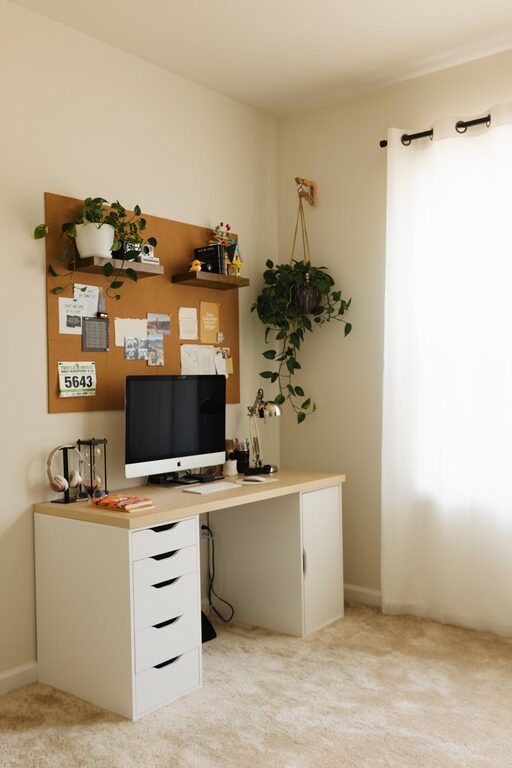
Creating a productive home office environment is essential for anyone working remotely or running a business from home. A well-designed workspace can help improve focus, reduce stress, and boost overall efficiency. Whether you’re new to working from home or looking to refresh your existing setup, these practical tips will guide you toward an environment where productivity thrives.
1. Choose the Right Location
Selecting the best spot for your home office is the first step in creating a productive workspace. Choose a dedicated area, preferably one that is quiet and away from everyday distractions like the television or kitchen.
– Natural light: Whenever possible, pick a space near a window. Natural daylight can enhance your mood and energy levels.
– Minimize noise: Choose a room where sounds from outside or other household members are less likely to disturb you.
– Separate work and life: Avoid working from a bedroom or couch if it blurs boundaries between personal and professional life.
2. Invest in Ergonomic Furniture
Comfort is key when spending hours working at a desk. Ergonomic furniture supports your posture and helps prevent aches and injuries.
– Ergonomic chair: Look for a chair with adjustable height, lumbar support, and comfortable cushioning.
– Proper desk height: Your desk should allow your arms to rest comfortably while typing, with wrists straight.
– Foot support: If your feet don’t rest flat on the floor, use a footrest to reduce strain.
3. Organize Your Workspace
An organized desk encourages focus by reducing distractions and time spent searching for items.
– Declutter regularly: Keep only essential items on your desk to maintain a clean and tidy area.
– Use storage solutions: Shelves, filing cabinets, or drawer organizers help keep papers and supplies in order.
– Cable management: Use clips or tubes to keep cables neat and avoid tangling.
4. Optimize Lighting
Good lighting is crucial for reducing eye strain and maintaining alertness.
– Combine natural and artificial light: Supplement daylight with adjustable desk lamps or overhead lights.
– Avoid glare: Position your computer screen perpendicular to windows to prevent reflections.
– Use warm light: Choose bulbs with a warm color temperature to create a comfortable atmosphere.
5. Personalize Your Space
Adding personal touches can increase motivation and create a welcoming environment.
– Decorate thoughtfully: Include artwork, plants, or meaningful objects that inspire you.
– Keep it functional: Ensure decorations don’t clutter the desk or distract from work.
– Add greenery: Plants improve air quality and add a calming element to the room.
6. Minimize Digital Distractions
Technology is essential for work but can also lead to distractions if not managed properly.
– Use productivity apps: Tools that block distracting websites or track your time can help maintain focus.
– Manage notifications: Turn off non-urgent alerts while working.
– Organize digital files: Keep your desktop and folders ordered for easy access.
7. Establish a Routine
A consistent schedule helps signal the start and end of the workday, improving work-life balance.
– Set work hours: Define clear start and finish times for your day.
– Take regular breaks: Short breaks improve concentration and prevent burnout.
– Designate transition activities: Use rituals like morning coffee or a walk to shift into work mode.
8. Ensure Proper Ventilation and Temperature
Comfortable air quality and temperature are important for sustaining energy throughout the day.
– Keep windows open: Fresh air reduces stuffiness and increases alertness.
– Use fans or heaters: Adjust the room temperature to your preference.
– Avoid excessive noise from ventilation: Choose quiet equipment to avoid distractions.
9. Plan for Storage and Filing
A clutter-free environment extends beyond the desk surface. Efficient filing systems help keep paperwork organized and easy to find.
– Label files clearly: Use clear labels for digital and physical files.
– Digitize documents: Scan important papers to reduce paper clutter.
– Schedule regular filing sessions: Set aside time weekly or monthly to update your filing system.
10. Incorporate Movement
Sitting for long periods can affect health and focus. Including movement in your routine will boost productivity.
– Use a standing desk: Consider an adjustable desk to alternate between sitting and standing.
– Stretch regularly: Take brief breaks to stretch muscles and relieve tension.
– Walk during calls: If possible, walk or move around during phone or video meetings.
—
Creating a productive home office environment can transform the way you work by promoting focus, comfort, and well-being. By choosing the right space, investing in ergonomic furniture, and organizing thoughtfully, you set yourself up for success every day. Incorporate these tips gradually, and find what works best for you to enjoy a more efficient and pleasant work-from-home experience.